
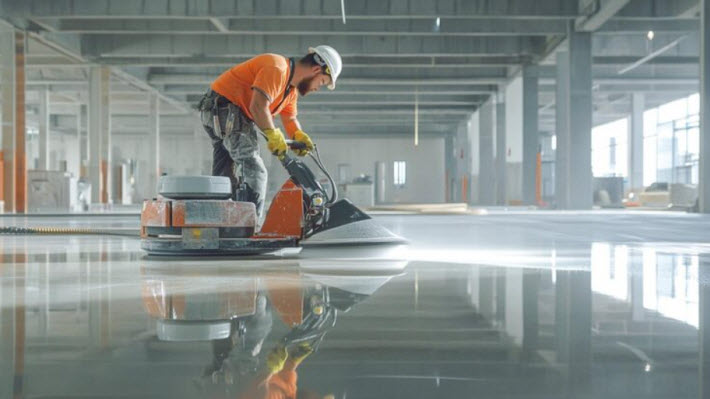
Transforming a dull, dusty concrete slab into a high-performance, polished surface is one of the most rewarding improvements you can make to a commercial facility or residential garage. In Metro Vancouver, however, concrete surfaces face unique environmental challenges. Persistent coastal humidity, damp foundation slabs, and abrasive tracking of grit and road salt quickly destroy low-grade coatings. Choosing an experienced epoxy flooring contractor in Vancouver ensures that your concrete receives professional mechanical preparation and industrial-grade resin systems designed to endure for decades.
The Critical Importance of Mechanical Concrete Preparation
The single most common reason epoxy coatings fail, peel, or blister within twelve months is improper substrate preparation. Inexperienced contractors or do-it-yourself homeowners often rely on chemical acid etching, pouring diluted muriatic acid over concrete in an attempt to open its pores. In coastal British Columbia, acid etching rarely creates sufficient surface profile and introduces excessive moisture directly into the slab, trapping water beneath the curing resin.
A professional epoxy specialist always prepares concrete through mechanical diamond grinding or shot-blasting. Heavy planetary grinding machines equipped with diamond-segmented tooling grind away laitance, grease stains, and old sealers, profiling the concrete to an International Concrete Repair Institute (ICRI) concrete surface profile (CSP) of two or three. This mechanical profile creates millions of microscopic anchor points that lock the primer deep into the concrete matrix.
Moisture Vapor Transmission: The West Coast Threat
Vancouver geography features high seasonal water tables and damp soil conditions. Concrete is inherently porous, acting like a dense sponge that draws moisture upward from the ground through capillary action, a physical phenomenon known as moisture vapor transmission.
If an epoxy coating is installed over a damp slab without proper moisture mitigation, hydrostatic pressure builds beneath the impervious resin layer, eventually popping blisters and delaminating large sheets of coating. Reputable contractors always conduct calcium chloride or electronic moisture meter testing prior to application. When elevated moisture levels are detected, they apply an epoxy moisture vapor barrier primer that resists high hydrostatic pressure.
Multi-Layer Coating Architecture Versus Single-Coat Paint
Many consumer-grade epoxy kits sold at big-box hardware stores are simply thin, water-based paints containing minor resin additives. These thin films measure only a few mils in thickness and quickly fail under vehicle traffic. In contrast, an industrial floor coating system comprises multiple distinct layers:
• Deep-Penetrating Epoxy Primer: Low-viscosity resin that saturates open concrete pores, forming an unbreakable mechanical and chemical bond.
• High-Build Base Coat: 100% solids epoxy that levels out minor concrete pitting, hides surface imperfections, and embeds decorative vinyl flakes or quartz aggregate.
• Polyaspartic or Polyurethane Topcoat: UV-stable, non-yellowing protective clear coat that provides extreme resistance against chemical spills, hot tire pickup, and abrasive foot traffic.
Evaluating Contractor Experience and Warranty Coverage
When vetting local flooring contractors, look beyond the initial price estimate. Inquire about the exact solids percentage of their resin formulations, verify that their technicians operate commercial HEPA-filtered dust extraction equipment, and request local portfolio references from commercial or residential installations across the Lower Mainland.
A reputable installer stands firmly behind their craftsmanship with thorough written warranties covering adhesion, peeling, and delamination. Working with dedicated resinous flooring specialists ensures your project is completed cleanly, on time, and to exacting commercial standards.
Elevate Your Concrete Surfaces in Greater Vancouver
A professionally installed epoxy floor adds immense functional value, clean aesthetics, and lasting durability to any commercial facility or home.
The Science of Polyaspartic Chemical Resistance
While traditional epoxy resins provide exceptional compressive bonding strength, polyaspartic aliphatic polyureas offer superior surface hardness and chemical resistance. Polyaspartic topcoats resist staining from battery acid, brake fluid, engine oils, and hot road tar.
Additionally, polyaspartic resins are 100% UV-stable, meaning they will never amber, yellow, or chalk when exposed to sunlight entering through open garage doors or commercial bay windows, maintaining crystal-clear aesthetics over decades.
Anti-Slip Additives for Industrial Safety
Wet working environments require careful consideration of surface traction. Professional epoxy installers blend precision aggregate materials like silica quartz or aluminum oxide directly into the intermediate and topcoat layers. This customized aggregate distribution provides sure-footed traction under wet, soapy, or oily conditions while remaining simple to clean and sanitize during daily facility operations.
Canadian Floor Coatings provides expert epoxy and polyaspartic flooring solutions across Vancouver and the Lower Mainland, backed by advanced diamond grinding preparation and industrial-grade materials. Visit canadianfloorcoatings.com to schedule your on-site concrete assessment and request a detailed quote today.


