
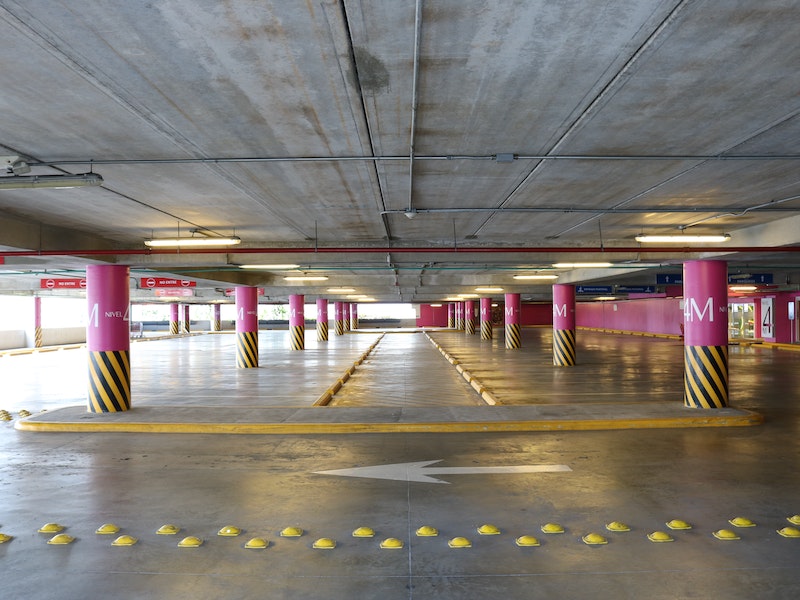
If you are embarking on a new construction project, you should consider whether you will require a non-slip additive for the epoxy floor. In this blog, we shall discuss some of the general considerations that may help you decide whether you will require a non-slip additive for commercial epoxy flooring in Vancouver.
Understanding Non-Slip Additives
But we need to understand first what a non-slip additive is. It is a material of small grains or powder-like material such as fine sand, aluminum oxide, or polymer grit. This matter is added to epoxy floor coatings to make the surface look textured. This texture helps enhance gripping, or in other words stickiness on wet or oily surfaces for preventing slippage.
Indoor vs. Outdoor Considerations
As you consider the use of concrete floors, a critical question to answer is Does your concrete floor cover an indoor or outdoor section of your home? Can this product be used indoors or exposed to outdoor conditions? For example, does it have a large bay door or roll-up that opens to the outside? This is a familiar situation in many commercial real estate establishments.
Weather and Climate Factors
Concrete can become slippery outdoors or in wet and freezing conditions. Your location plays a significant role in this process. Suppose it is winter, snow is likely to fall on the project site and part of the concrete is outside. In that case, you might consider including a non-slip mixture in the epoxy floor coating. Estimating how the area will be utilized throughout the year after the work completion is necessary.
Humidity Concerns
Another factor is humidity in your area of residence and related climatic factors. Humidity can also interfere with the curing process of epoxy floors and the texture of the surface. It is recommended to be very careful when installing the floor in humid areas. Sometimes, you may need to change the type of non-slip additive or the quantity you use.
Indoor Safety Considerations
For indoors, your concrete floor may become slippery due to daily splashes. For example, a typical scene in an automobile repair shop could involve motor oil or some other liquid. An incredibly smooth concrete floor in this setting could pose a danger of slipping. Consider if the equipment slide across the floor or even fall due to the slippery surface.
Industry-Specific Requirements
Each sector usually has specific regulations concerning the floor surface roughness or slipperiness. For instance, some particular requirements can include high-textured floors for the food processing factories to enhance traction when the area is wet and requires high hygiene standards. Hospitals and other healthcare facilities prefer floors that allow the patients to prevent slipping while at the same time are also easy to wash. Restaurant kitchens often require floors with excellent slip resistance because it is often a wet environment with spills and constant cleaning. Manufacturing has varying degrees of slip resistance for different sectors of the facility depending on the type of work and the materials used there. Always consult your industry’s guidelines on integrating non-slip additives into the epoxy flooring.
Maintenance Considerations
It is worth noting that portions of the floor containing non-slip additives need to be cleaned in a specific manner. They are rougher and cleaning becomes tricky. If you use extreme force, the non-slip nature of the surface is rendered useless. It may require daily spraying with water; sometimes, one may need to apply the nonslip coating again to achieve the best grip.
Balancing Safety and Aesthetics
When choosing additives for the non-slip surface, the appearance of the floor should also be an important factor. Safety is always an essential consideration, too; however, you may also wish to encompass the aesthetic appearance of the floor. Non-slip additives can also alter the texture of the epoxy coating slightly – it is always best to consult with your contractor about your choices to achieve a safe and beautiful surface for your needs.
Professional Assistance
Canadian Floor Coatings can help you understand these or other applicable considerations for your project requiring epoxy flooring in Vancouver and provide the best solution. Our two-part epoxies are our specialized products; they are among the finest products you can use for your concrete job. Upgrade your building’s security with these wise decisions.


